The Ngọc Lũ Drum: A Bronze World of Feathers, Boats and Rice, Pulled from a Dike

Around 1893, men building a dike on the Red River struck bronze two metres down in the silt. The drum they lifted out, now called Ngọc Lũ, carries a whole Đông Sơn world on its face: a fourteen-pointed sun, feathered dancers, rice pounders, deer, herons and war canoes. It was the first object Việt Nam named a national treasure.
Continue reading “The Ngọc Lũ Drum: A Bronze World of Feathers, Boats and Rice, Pulled from a Dike” →

Posted on Categories History

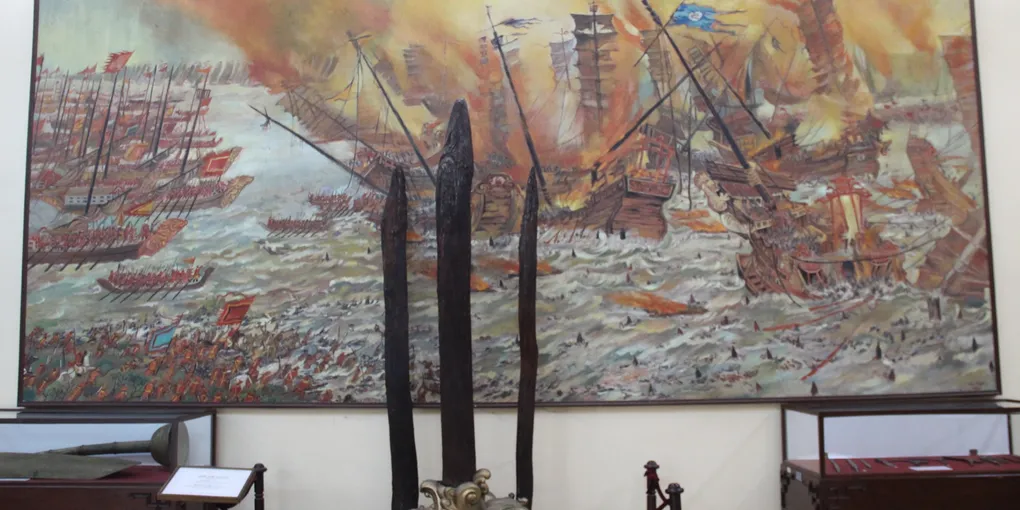
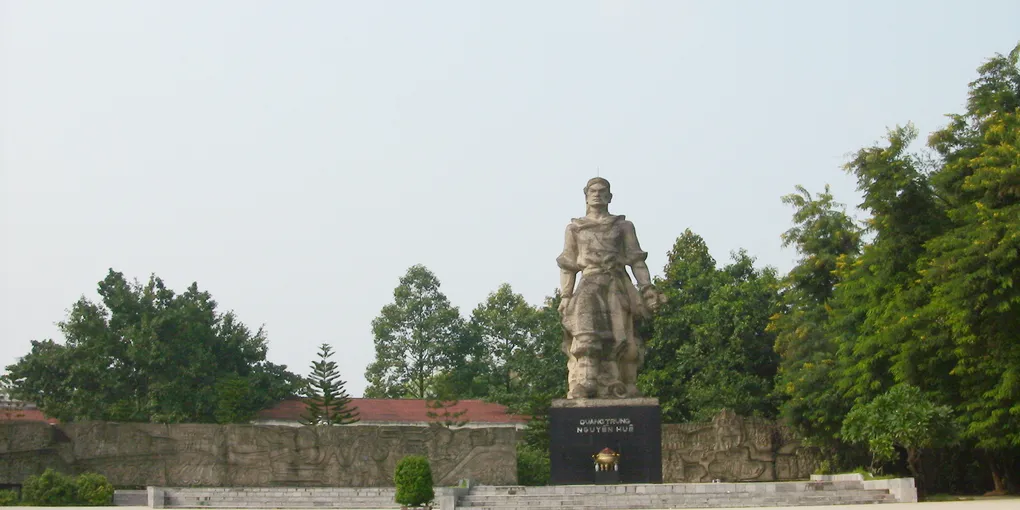
Đống Đa, 1789: The Army That Celebrated Tết Early and Took Thăng Long on the Fifth Day

In the winter of 1788 a Qing army sat in Thăng Long. Nguyễn Huệ crowned himself in Phú Xuân, marched north, feasted his soldiers before the New Year and promised them Tết in the capital on the seventh. They arrived on the fifth. A green mound in Hà Nội still keeps the date.

Continue reading “Đống Đa, 1789: The Army That Celebrated Tết Early and Took Thăng Long on the Fifth Day” →

Posted on Categories History

A Vase in Istanbul, a Village of Buried Kilns: The Rediscovery of Chu Đậu Ceramics

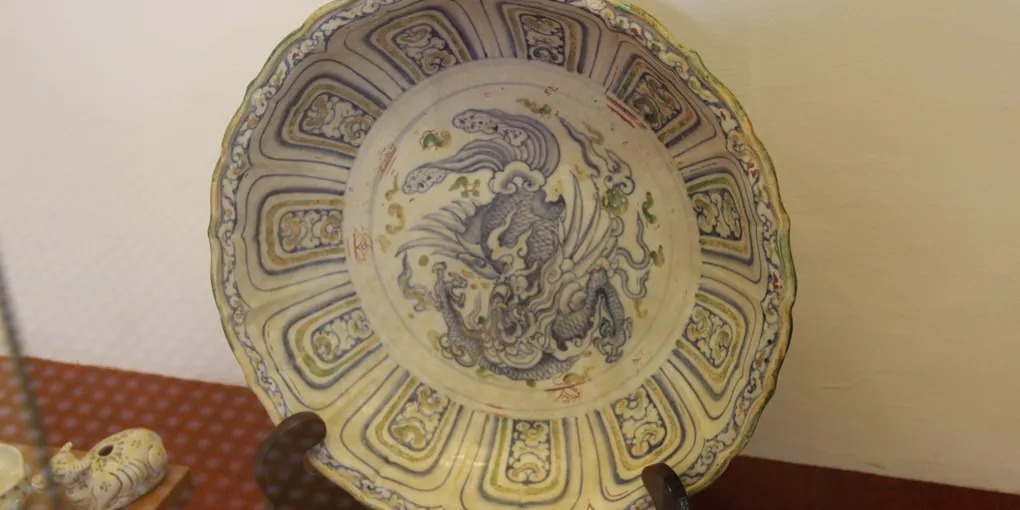
In 1980 a Japanese diplomat saw a Vietnamese vase dated 1450 in the Topkapı Palace and wrote a letter to Hải Hưng province. Answering it took decades: kilns under a rice-farming village, a shipwreck carrying a quarter of a million pots, and a signature scholars still argue over.

Continue reading “A Vase in Istanbul, a Village of Buried Kilns: The Rediscovery of Chu Đậu Ceramics” →

Posted on Categories History